
Where the body learns to speak before the voice does
Physical presence is the first thing an audience reads. These programmes teach actors to work with that fact - not around it.
What we actually teach in these sessions
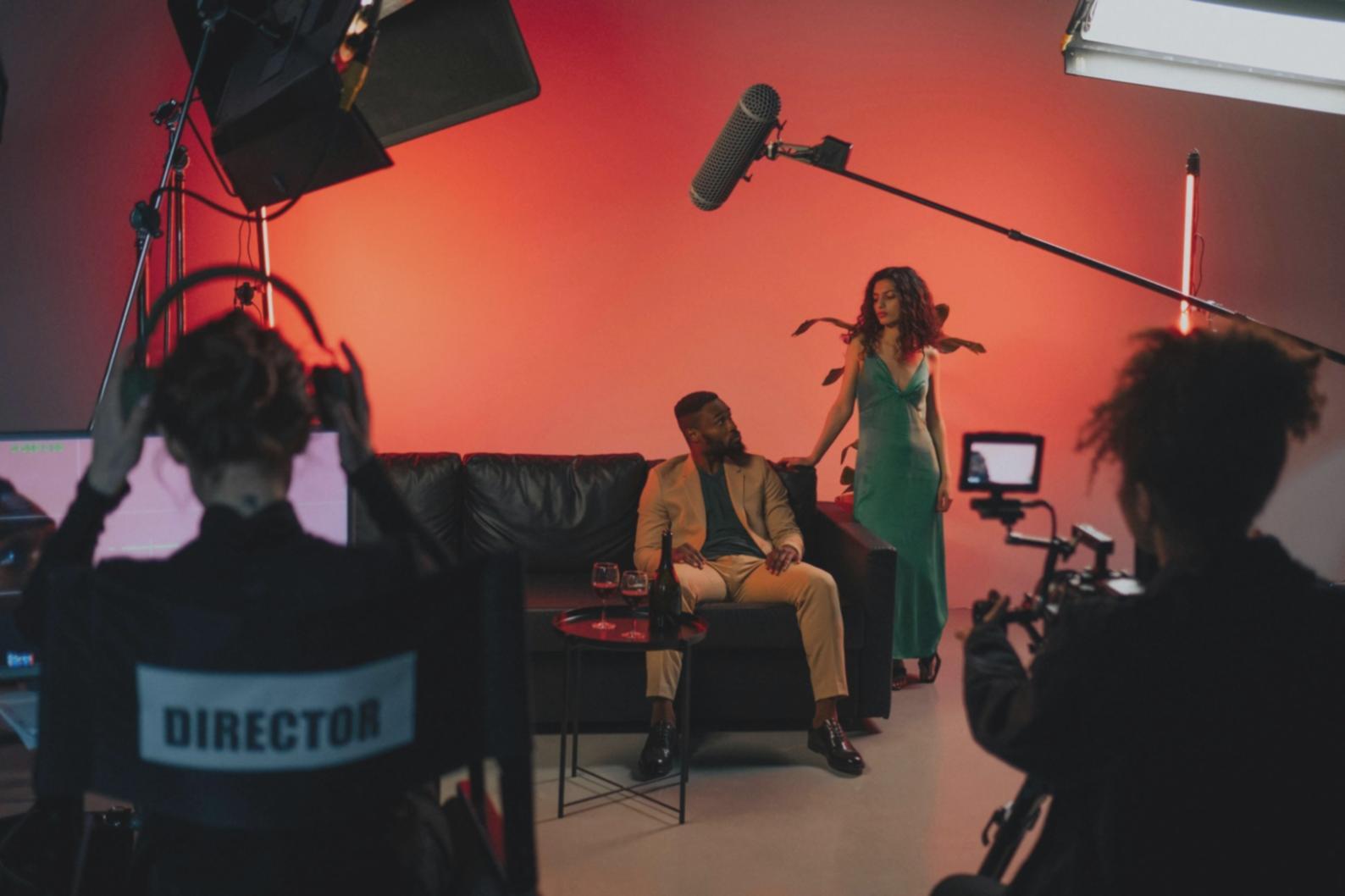
Each programme targets a specific layer of physical performance - from how you stand in stillness to how you move through complex choreographed scenes. Students across New Zealand join these live webinars in real time, ask questions, and receive direct feedback from instructors.
Neutral Body Foundation
Beginner entry pointMost acting students arrive carrying habitual tension in the shoulders, jaw, or hips - tension they have no idea is there. This programme starts by identifying those patterns through guided somatic exercises and simple partner observation tasks done live on camera. By the fourth session, students typically report that they feel physically lighter on stage, not because of any trick, but because they have stopped holding unnecessary weight.
- Somatic tension mapping over 8 sessions
- Live peer observation with instructor notes
- Weekly recorded movement analysis
Scene-Specific Movement
Most enrolledThis is where actors bring a scene they are already working on - a monologue, a two-person piece, a scripted moment - and we dissect the physical logic of it. The instructor works through each student's scene live, asking questions like: where does your character's weight go when they say this line? What does grief look like in the pelvis, not just the face? It is specific, sometimes uncomfortable, and genuinely useful.
- Scene-by-scene physical breakdown
- Live instructor feedback during performance
- Cross-genre movement vocabulary
Ensemble Body Work
Group formatWorking in an ensemble is a different physical skill than solo performance. This programme runs in small cohorts of eight to twelve students who meet weekly and develop shared physical vocabulary together. The sessions use structured improvisation, mirroring exercises, and group composition tasks - all delivered through the webinar platform with breakout rooms and shared video feeds.
- Cohorts of 8–12 students
- Structured group improvisation tasks
- Shared physical vocabulary development
Voice and Body Integration
Intermediate levelVoice training and movement training are often kept separate, which creates actors who speak well but move stiffly, or move beautifully but lose resonance when they open their mouth. This programme works on the connection - specifically on how breath, posture, and physical intention shape the sound that comes out. Sessions include standing resonance work, movement-while-speaking drills, and physical support exercises for projection.
- Breath and posture alignment exercises
- Movement-while-speaking drills
- Physical projection support techniques
Camera-Specific Movement
Screen performanceStage movement and screen movement are not the same thing. A gesture that reads clearly from the back row of a theatre becomes noise on a close-up shot. This programme teaches actors to calibrate - to understand what the frame sees, how stillness reads differently on camera, and how small physical choices carry weight in a medium where everything is magnified. Students work through exercises designed specifically for the constraints of a camera lens.
- Frame-aware gesture calibration
- Close-up stillness and micro-expression work
- Self-tape review with instructor
Physical Character Building
Advanced trackCharacter work that starts from the body outward - not from psychology inward. Students choose a character they are developing and spend eight sessions building a physical life for that character: how they walk, where they hold tension, how they occupy space when nobody is watching. The approach draws on Laban movement analysis and Viewpoints methodology, adapted for the webinar format with specific at-home practice assignments between sessions.
- Laban and Viewpoints-based methodology
- 8-session character physical arc
- Between-session practice assignments
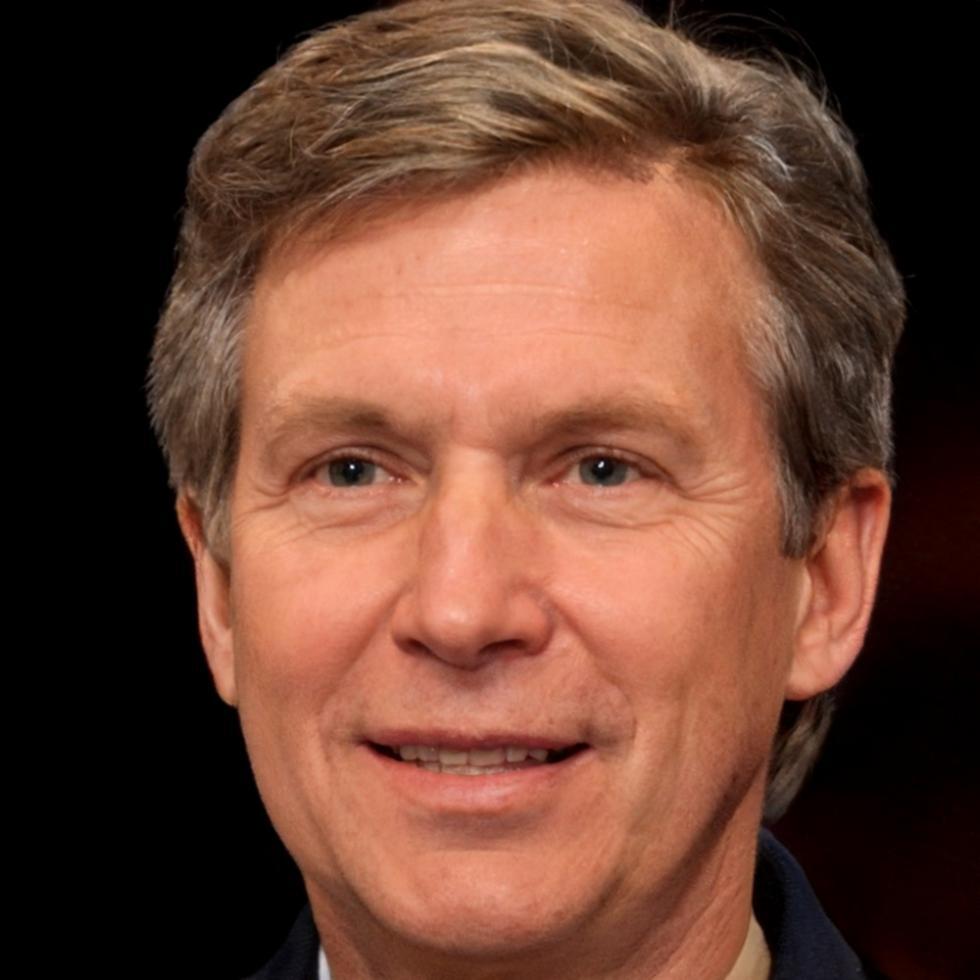
Callum Ferreira
Lead Movement Instructor Specialises in Laban analysis and screen performance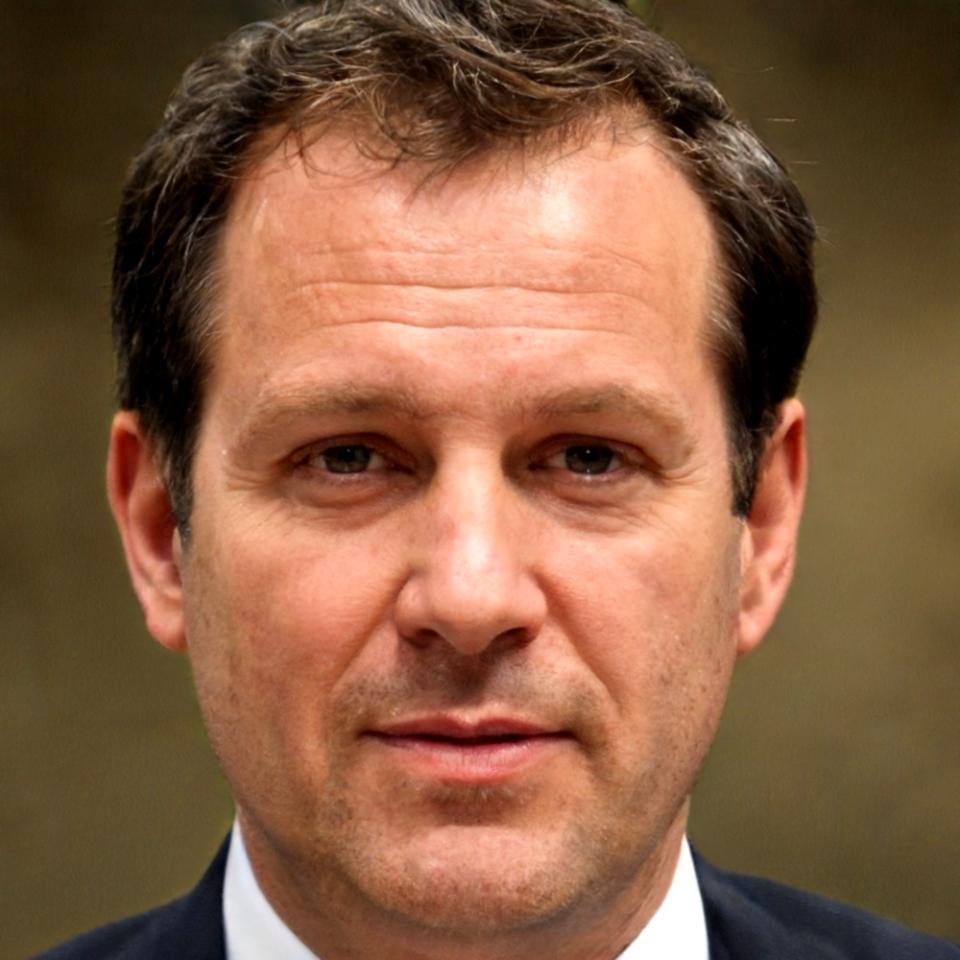
Oisín Hartley
Ensemble & Voice-Body Specialist Focuses on group dynamics and breath-movement integrationNot sure which programme fits where you are right now?
The learning programme page outlines prerequisites and session structure for each track in detail.