Body as instrument
Most actors spend years learning lines. Far fewer learn to trust what their body already knows how to say.
This platform started from a straightforward observation: geography was quietly limiting who could access serious movement training. A student in a small town three hours from the nearest city faced a different set of options than someone living beside a conservatoire. That gap felt unnecessary. Live webinars, structured around real technique and direct feedback, turned out to be a practical way to close it. The work here covers physical presence, spatial awareness, impulse and release - the kind of body work that changes how a performer moves through any scene, not just the ones they rehearse.
Where the idea took shape
It began with a single recorded session that a student in Dunedin watched four times because she had no other access to that kind of teaching.
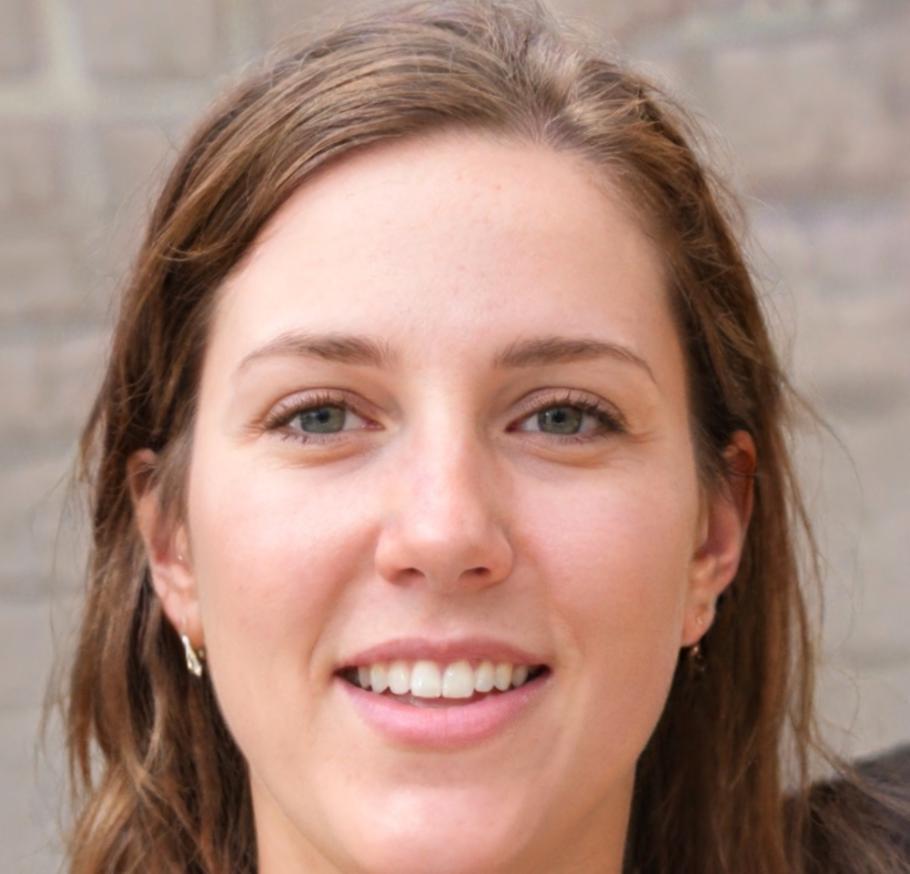
Aoife Brennan-Kahu had been teaching physical theatre and movement-based acting for over a decade in studio settings when the question became unavoidable: why does good training still require the same physical proximity it did forty years ago? The answer, it turned out, was habit more than necessity. In 2022, she began running structured live sessions online - not pre-recorded lectures, but actual classes with real-time correction, group exercises adapted for remote participation, and space for the kind of conversation that only happens when a teacher can see what a student is doing.
The early sessions were rough around the edges. Latency made some exercises awkward. The camera angle mattered more than anyone expected. But participants kept coming back, and the feedback was consistent: the work was landing. Students were changing how they moved, how they occupied space, how they listened with their whole body rather than just their ears.
"The camera angle mattered more than anyone expected - and that itself became part of the lesson."
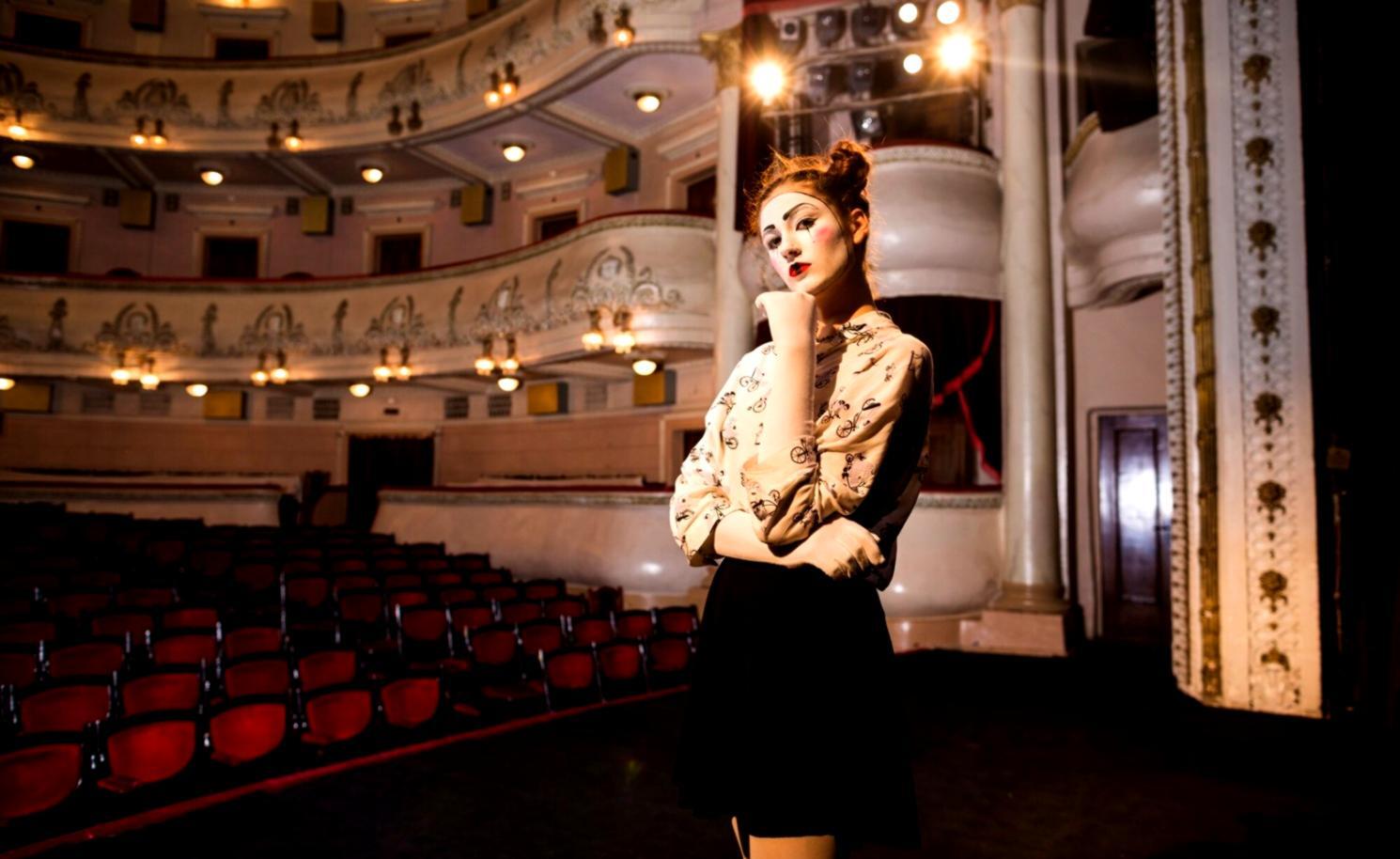
What the platform offers now is more deliberate than those first experiments. Each session is designed around a specific physical problem - weight transfer, breath-led movement, the mechanics of stillness - and participants work through it in real time. There are no passive viewers. Everyone moves, everyone is seen, and the feedback loop between instructor and student is kept as short as possible.
The sessions draw students from across New Zealand, which means the room is always genuinely mixed. Someone working in community theatre sits alongside a drama school graduate brushing up on fundamentals. That mix turns out to be useful. Movement training is less about hierarchy than about honest observation, and a room with different experience levels tends to produce more of it.
Three ways to work with the material
Not everyone arrives at movement training from the same starting point, and the structure here reflects that.
Some participants are working actors who want to sharpen a specific skill - floor work, or how they use their hands, or the way tension accumulates in their shoulders during a long scene. Others are early in their training and need the foundational vocabulary before anything else makes sense. A smaller group comes specifically to study the pedagogy itself, watching how movement principles are taught as much as practising them. Each of these needs a slightly different entry point into the same material.
- Live sessions with real-time instructor feedback during every exercise
- Small group sizes - no session runs with more than 14 participants
- Focus on observable physical habits, not abstract concepts alone
- Structured sequences that build across multiple sessions